Candle Market Trends, Analysis, and Growth Opportunities in 2024
Introduction
The candle market has been witnessing significant growth, driven by changing consumer preferences and innovative product developments. This article explores the current trends, opportunities, and future outlook of the candle market. We’ll delve into various aspects such as market size, segmentation, consumer behavior, and much more to provide a thorough understanding of the industry.
Overview of the Candle Market
Global Market Size and Growth
Understanding the present valuation of the candle market gives us a snapshot of its current health. As of 2024, the global candle market is estimated to be worth approximately $8.4 billion, reflecting consistent growth over the past decade. Historical data shows that the market has evolved considerably, driven by a surge in demand for decorative and scented candles.
| Year | Market Size (USD Billion) |
|---|---|
| 2015 | 4.8 |
| 2020 | 6.7 |
| 2024 | 8.4 (estimated) |
Future projections indicate continued expansion, with a forecasted compound annual growth rate (CAGR) of around 6% over the next five years. This growth is attributed to increasing consumer interest in home decor and aromatherapy.

Market Segmentation
The candle market is diverse, catering to various consumer needs and preferences.
- Product Types: Candles come in various types, including scented, unscented, and specialty candles. Scented candles, in particular, have gained immense popularity due to their dual function of providing light and fragrance.
- End-User Segmentation: The market serves different end-users, such as residential, commercial, and industrial sectors. Residential users predominantly drive the market, using candles for home decor and ambiance.
- Geographical Segmentation: Geographically, the market sees significant activity in regions like North America, Europe, and Asia-Pacific. North America leads in terms of market share, followed closely by Europe, due to higher disposable incomes and a penchant for luxury home products.
| Region | Market Share (%) |
|---|---|
| North America | 35 |
| Europe | 30 |
| Asia-Pacific | 25 |
| Others | 10 |
Key Market Players
Several key players dominate the candle industry, contributing to a competitive landscape.
- Leading Companies: Notable companies include Yankee Candle, Bath & Body Works, and Diptyque, each known for their unique product offerings and strong brand presence.
- Market Share Distribution: Market shares are distributed among these major players, with smaller companies and artisanal brands also carving out niche markets.
- Competitive Landscape: The industry is highly competitive, with companies constantly innovating to offer new scents, designs, and eco-friendly options to attract consumers.

Trends Shaping the Candle Industry
Scented Candle Market Growth
The rise in popularity of scented candles is one of the most significant trends in the candle market.
- Consumer Preferences: Scented candles have become a staple in many households, favored for their ability to create a relaxing atmosphere. Consumers are increasingly seeking unique and exotic scents that enhance their living spaces.
- Innovative Scents: Companies are introducing innovative fragrance combinations, such as lavender and vanilla or eucalyptus and mint, to attract a wider audience. Seasonal scents like pumpkin spice and winter pine are also in high demand.
- Health and Wellness: Aromatherapy has played a crucial role in driving the demand for scented candles. Scents like lavender and chamomile are known for their calming effects, promoting mental well-being and stress relief.
Sustainable and Natural Candles
Sustainability is a growing concern among consumers, influencing their purchasing decisions.
- Organic and Soy Candles: There’s a rising demand for eco-friendly candle options such as soy and beeswax candles. These candles are preferred for their clean burn and natural ingredients.
- Sustainable Packaging: Companies are increasingly using sustainable packaging materials to reduce environmental impact. Recyclable and biodegradable packaging is becoming the norm.
- Ethical Production Practices: Many brands are adopting ethical production practices, ensuring fair labor practices and sourcing materials responsibly. This resonates well with socially conscious consumers.
Luxury Candle Market
The luxury segment of the candle market is thriving, attracting consumers willing to pay a premium for high-quality products.
- Premium Product Offerings: Luxury candles are often characterized by exquisite scents, sophisticated packaging, and longer burn times. Brands like Jo Malone and Diptyque are known for their premium offerings.
- Brand Strategies: Luxury brands position themselves through exclusive scents, limited editions, and collaborations with designers and artists, enhancing their appeal to high-end consumers.
- Consumer Demographics: The typical luxury candle buyer is often affluent, with a keen interest in home decor and wellness. These consumers view candles as an indulgent addition to their living spaces.
Candle Sales and Distribution Channels
Wholesale Candle Suppliers
Wholesale suppliers play a vital role in the candle supply chain, providing bulk products to retailers and businesses.
- Key Suppliers: Major players in the wholesale market include companies like Keystone Candle and Bulk Apothecary, known for their extensive product ranges and competitive pricing.
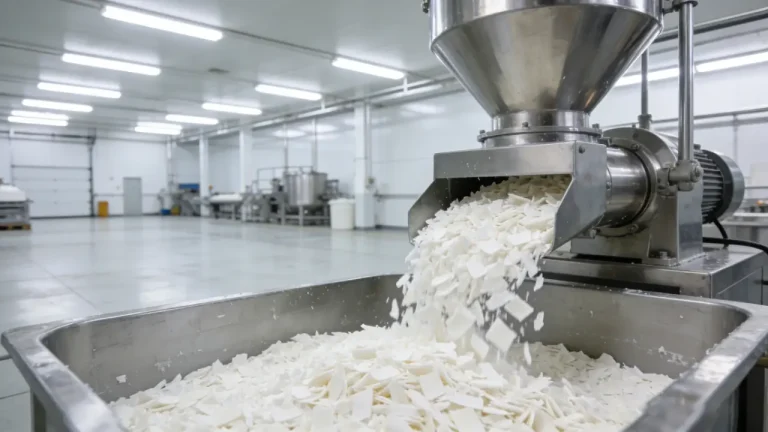
- Supply Chain Dynamics: The supply chain for candles involves several stages, from raw material procurement to manufacturing and distribution. Efficient supply chain management is crucial for timely delivery and cost management.
- Bulk Purchasing Trends: Businesses often opt for wholesale purchases to benefit from lower prices and consistent quality. This trend is particularly prevalent among retailers and event planners.

Retail Market Analysis
The retail market for candles encompasses both physical stores and online platforms.
- Brick-and-Mortar Stores: Physical stores remain significant for candle sales, offering consumers the opportunity to experience scents firsthand. Specialty stores and home decor shops are popular destinations.
- Online Sales: The rise of e-commerce has significantly impacted the candle market. Online platforms like Amazon and Etsy provide a vast selection of candles, catering to diverse consumer preferences.
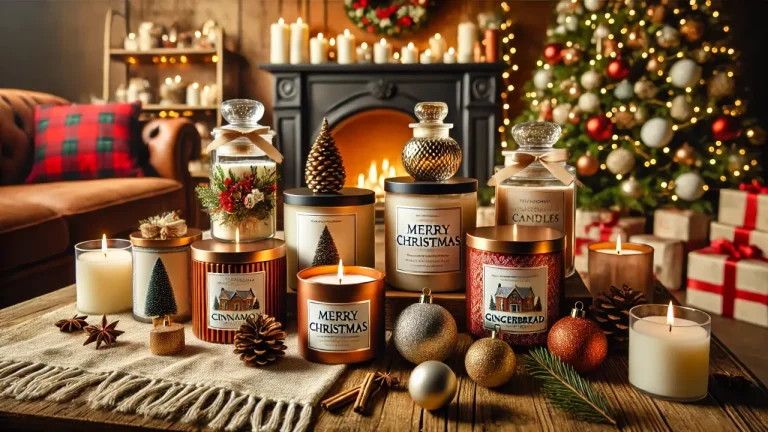
- Seasonal Sales Trends: Candles are highly popular during festive seasons and holidays. Sales peak during Christmas, Halloween, and Valentine’s Day, driven by their use in decorations and gifts.
Direct-to-Consumer Sales
Direct-to-consumer (DTC) sales channels are gaining traction in the candle market, allowing brands to build stronger relationships with their customers.
- E-commerce Platforms: Many candle brands have launched their own e-commerce websites, offering exclusive products and personalized shopping experiences.
- Subscription Boxes: Candle subscription services are growing in popularity, offering consumers a curated selection of candles delivered to their doorstep regularly. These services often include limited edition and seasonal scents.
- Consumer Engagement: Brands are leveraging social media and email marketing to engage directly with their customers, providing updates on new launches, promotions, and behind-the-scenes content.
Market Challenges and Opportunities
Production Costs and Pricing Analysis
Managing production costs and setting competitive prices are critical challenges for candle manufacturers.
- Raw Material Costs: Fluctuations in the prices of raw materials like wax, wicks, and fragrances can significantly impact production costs. Manufacturers must navigate these changes to maintain profitability.
- Pricing Strategies: Effective pricing strategies are essential to remain competitive. Companies often use value-based pricing, considering factors like brand positioning and consumer willingness to pay.
- Cost Management: Efficient cost management techniques, such as bulk purchasing of materials and optimizing production processes, help manufacturers reduce expenses and improve margins.
Regulatory Environment
Compliance with regulations is essential for ensuring product safety and quality.
- Import Regulations: Candles imported into various countries must adhere to specific regulations and standards. Understanding these requirements is crucial for international trade.
- Safety Standards: Adhering to safety standards is vital to prevent incidents like fires or health hazards. Manufacturers must ensure their products meet stringent safety criteria.
- Environmental Regulations: Compliance with environmental regulations is increasingly important, as consumers and governments demand more sustainable practices. This includes using eco-friendly materials and reducing emissions during production.
Market Opportunities
Despite challenges, the candle market offers numerous growth opportunities for businesses.
- Emerging Markets: Untapped regions, particularly in Asia and Latin America, present significant growth potential. Rising disposable incomes and urbanization are driving demand for candles in these areas.
- Product Diversification: Expanding product lines to include innovative and niche products can attract new customers. Examples include candles with unique shapes, embedded crystals, or multi-layered scents.
- Technological Innovations: Advancements in technology, such as automated production and smart candles, offer exciting opportunities for market differentiation and efficiency improvements.

Consumer Behavior and Market Demand
Who Buys Candles the Most?
Understanding the primary consumers of candles helps tailor marketing strategies effectively.
- Demographic Analysis: Candles are popular across various demographics, but they are particularly favored by women aged 25-45, who often use them for home decor and relaxation.
| Demographic | Percentage (%) |
|---|---|
| Women (25-45) | 60 |
| Men (25-45) | 25 |
| Others | 15 |
- Buying Motivations: Consumers purchase candles for several reasons, including ambiance creation, aromatherapy, and as gifts. The emotional appeal of candles plays a significant role in their popularity.
- Consumer Trends: Recent trends indicate a shift towards premium and personalized candles. Consumers are also showing increased interest in sustainable and natural products.
Seasonal and Event-Driven Demand
Certain seasons and events drive significant demand for candles, influencing sales patterns.
- Holiday Season Sales: Major holidays like Christmas, Thanksgiving, and Easter see a surge in candle sales. Consumers buy candles for decorations, creating festive atmospheres, and as gifts.
- Event-Specific Candles: Candles are popular for weddings, parties, and other events. Event planners often purchase large quantities of themed candles to enhance the ambiance of their events.
Future Outlook and Market Forecast
Market Projections
Market projections provide insight into the future trajectory of the candle market.
- Short-Term Forecast: The candle market is expected to grow at a steady rate over the next 1-2 years, driven by continuous consumer demand and product innovations.
- Long-Term Trends: Over the next decade, we can expect to see significant developments in eco-friendly products, smart candle technologies, and personalized offerings.
- Growth Drivers: Key factors driving market growth include rising consumer disposable incomes, increasing interest in home decor, and growing awareness of the benefits of aromatherapy.
| Year | Projected Market Size (USD Billion) |
|---|---|
| 2025 | 9.0 |
| 2030 | 12.0 |

Emerging Technologies
Emerging technologies are set to revolutionize the candle market.
- Smart Candles: Introduction of technology in candle products, such as Bluetooth-enabled candles that can be controlled via smartphones.
- Innovative Materials: Use of new materials in candle production, such as gel and crystal-infused waxes, to create unique visual and olfactory experiences.
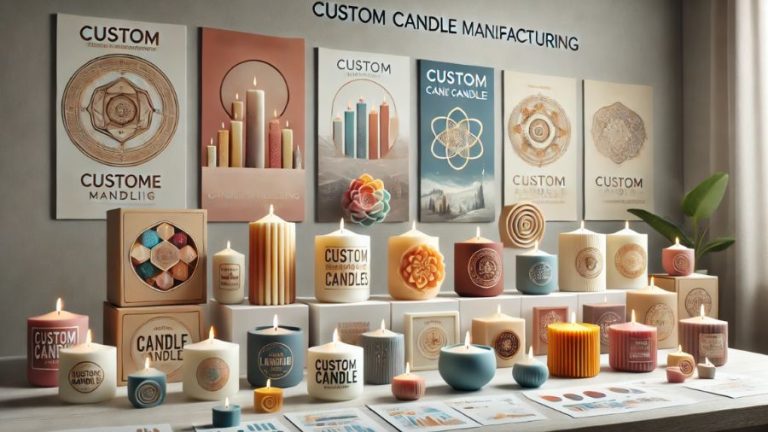
- Customization: Trends towards personalized and custom-made candles, allowing consumers to choose their scents, colors, and designs.
Industry Innovations
Innovations in the candle industry are paving the way for new opportunities.
- New Product Launches: Upcoming products and market introductions, such as candles with hidden jewelry or messages.
- Research and Development: Focus areas for future R&D in the candle industry include developing longer-lasting fragrances and environmentally friendly ingredients.
- Sustainability Initiatives: Ongoing efforts to make the candle industry more sustainable, including the use of biodegradable packaging and renewable energy sources in manufacturing.
Conclusion and Key Takeaways
Summary of Market Insights
The candle market is poised for continued growth, driven by evolving consumer preferences and innovative product offerings. Key trends include the rise of scented and luxury candles, a shift towards sustainable products, and the expansion of direct-to-consumer sales channels.
- Key Trends: Major trends influencing the candle market.
- Growth Opportunities: Potential areas for business expansion.
- Market Challenges: Main obstacles and how to overcome them.
Strategic Recommendations
Businesses looking to succeed in the candle market should consider the following strategies:
- Diversify Product Lines: Introduce innovative and niche products to attract new customers.
- Leverage Technology: Invest in emerging technologies like smart candles and automation to enhance product offerings and improve efficiency.
- Focus on Sustainability: Adopt sustainable practices to appeal to environmentally conscious consumers.

Frequently Asked Questions
What is the current size of the global candle market? As of 2024, the global candle market is estimated to be worth approximately $8.4 billion.
Which regions dominate the candle market? North America and Europe are the leading regions in terms of market share, followed by Asia-Pacific.
What are the key trends in the candle market? Key trends include the rise of scented and luxury candles, sustainable and natural candle options, and the growth of direct-to-consumer sales channels.
How are companies addressing sustainability in the candle market? Companies are adopting sustainable practices by using eco-friendly materials, ethical production practices, and sustainable packaging.
What are the main growth opportunities in the candle market? Growth opportunities include emerging markets in Asia and Latin America, product diversification, and technological innovations like smart candles.
How does consumer behavior influence the candle market? Consumer behavior is driven by preferences for home decor, aromatherapy benefits, and sustainable products. Understanding these preferences helps tailor marketing strategies effectively.